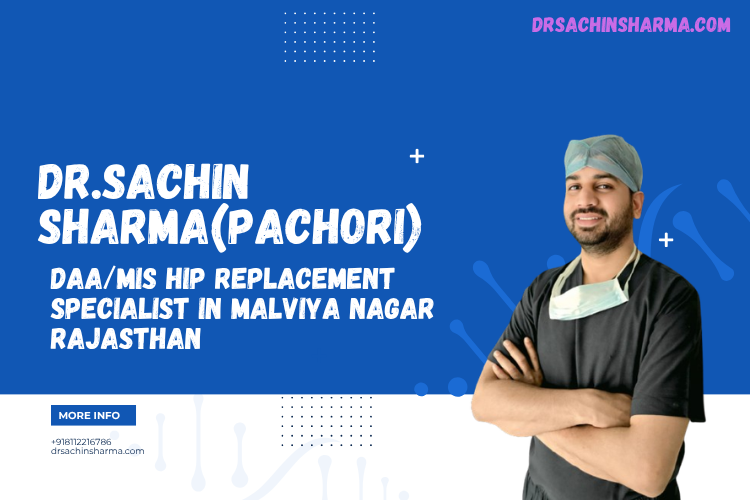

Best DAA/MIS Hip Replacement Specialist in Raja Park
Risks and Complications Explained by the Best DAA/MIS Hip Replacement Specialist in Raja Park
Choosing the Best DAA/MIS Hip Replacement Specialist in Raja Park is an important step toward a successful hip replacement journey. The Direct Anterior Approach (DAA/MIS) is a minimally invasive technique that helps preserve muscles and supports early recovery. Although every surgical procedure carries some risks, careful planning, advanced surgical techniques, and proper post-operative care significantly reduce the chances of complications. Dr. Sachin Sharma (Pachori) evaluates every patient thoroughly before surgery, creates a personalized treatment plan, and ensures the highest standards of safety.
Infection Risks and How They Are Prevented
Although infection can occur after any surgical procedure, surgeons reduce the risk by following strict sterilization protocols. Doctors prescribe antibiotics before and after surgery, while the surgical team maintains a sterile operating theatre throughout the procedure. The medical team also explains detailed wound care instructions so patients can recover safely. This comprehensive approach allows the Best DAA/MIS Hip Replacement Specialist in Raja Park to achieve excellent outcomes with minimal infection risk.
Blood Clots and Their Prevention
Patients may develop blood clots after hip replacement surgery if they delay movement for a long time. Early mobilization, blood-thinning medications, physiotherapy, and compression stockings improve blood circulation and lower the risk of clot formation. Regular follow-up appointments also help the surgeon monitor recovery and address any concerns before they become serious.
Implant Longevity and Long-Term Success
Manufacturers design modern hip implants to provide long-lasting performance. However, excessive wear, injury, infection, or improper implant positioning may affect their lifespan. Careful pre-operative planning, accurate implant placement, and scheduled follow-up visits play an essential role in long-term success. Doctors also encourage patients to maintain a healthy lifestyle to support the durability of their hip replacement.
Nerve Injury and Other Rare Complications
Nerve injury is uncommon after DAA hip replacement surgery. Some patients may experience temporary numbness or weakness, but these symptoms usually improve with time. The Direct Anterior Approach preserves surrounding muscles and soft tissues, which supports faster recovery. Using precise surgical techniques, Dr. Sachin Sharma (Pachori) protects important nerves throughout the procedure. This commitment to accuracy makes the Best DAA/MIS Hip Replacement Specialist in Raja Park a trusted choice for advanced hip replacement care.
Prevention Methods for Better Recovery
Preventing complications begins well before surgery. The surgical team performs comprehensive medical evaluations, plans every procedure carefully, and follows strict sterilization protocols throughout the operation. After surgery, the healthcare team creates a customized rehabilitation program that includes physiotherapy, medication guidance, and scheduled follow-up appointments. Following these recommendations supports faster healing and reduces the likelihood of future problems. With this patient-centered approach, the Best DAA/MIS Hip Replacement Specialist in Raja Park aims to deliver safe treatment and excellent long-term results.
For expert consultation, visit Dr. Sachin Sharma (Pachori) near J K LONE HOSPITAL, Gangawal Park, Adarsh Nagar, Jaipur, Rajasthan – 302004.
Phone: 8112216786
Website: drsachinsharma.com
You can also connect with Dr. Sachin Sharma (Pachori) on Instagram, Facebook, and YouTube, where he regularly shares educational videos, patient awareness content, treatment updates, and post-operative recovery guidance.
Frequently Asked Questions
1. Is DAA hip replacement safe?
Yes. Experienced surgeons such as Dr. Sachin Sharma (Pachori) perform this procedure safely and effectively.
2. What are the common risks?
Common risks include infection, blood clots, implant-related complications, and, in rare cases, nerve injury.
3. Can infection occur after surgery?
Yes, but you can keep the risk very low by following your surgeon’s instructions, taking prescribed medicines, and caring for the surgical wound properly.
4. How are complications prevented?
Surgeons reduce complications through careful planning, sterile surgical techniques, early mobilization, physiotherapy, and regular follow-up appointments.
5. How long do hip implants last?
Modern hip implants can function successfully for many years when surgeons place them correctly and patients maintain them with regular follow-up care.
6. When should I contact my doctor?
Contact your doctor immediately if you experience severe pain, excessive swelling, fever, wound discharge, difficulty breathing, or persistent numbness after surgery.