
MENISCUS
What is the Meniscus?
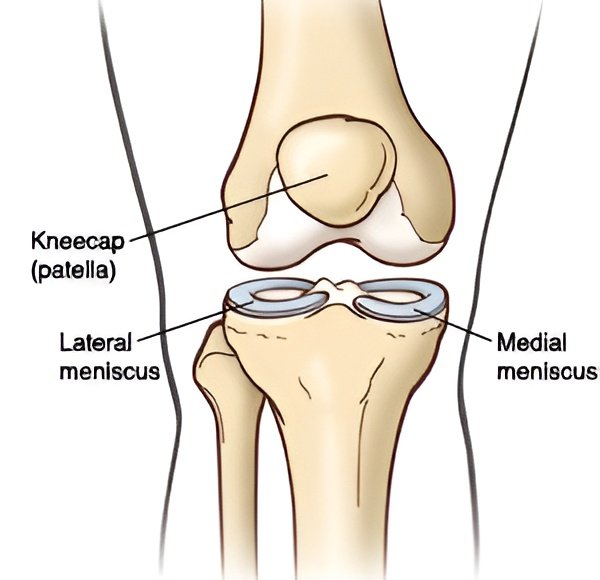
The knee meniscus consists of two C-shaped fibrocartilage structures—medial and lateral meniscus—located between the femur (thigh bone) and tibia (shin bone). These rubbery structures cushion the joint and aid in movement, balance, and joint stability.
Functions of the Meniscus
- Shock Absorption: Reduces impact during walking, running, and jumping.
- Joint Stability: Helps align femur and tibia correctly.
- Load Distribution: Distributes body weight evenly across the knee.
- Lubrication: Aids in movement by distributing synovial fluid in the joint.
Symptoms of a Meniscus Tear
- Knee pain along the joint line
- Swelling and stiffness
- Difficulty in bending or straightening the knee
- Popping sound during the injury
- Sensation of knee locking or giving way
Diagnosis and Treatment
Meniscus tears are diagnosed using physical exams, MRI, and sometimes X-rays.
- Conservative Treatment: RICE (Rest, Ice, Compression, Elevation), physical therapy, and medication.
- Surgical Treatment: In severe cases, arthroscopic meniscus repair or partial meniscectomy may be required.
FAQ

What is the meniscus?
The meniscus is a C-shaped piece of cartilage in the knee joint. It acts as a shock absorber, provides stability to the knee, and helps distribute body weight evenly.
What causes a meniscus tear?
A meniscus tear usually occurs due to sudden twisting of the knee, sports injuries, lifting heavy weights incorrectly, or accidents. In older adults, it can also happen because of age-related degeneration where the cartilage becomes weak over time.
What are the symptoms of a meniscus tear?
Common symptoms of a meniscus tear include knee pain, swelling, stiffness, difficulty in bending or straightening the knee, a locking or catching sensation, and sometimes a clicking or popping sound during movement.
Can a meniscus tear heal without surgery?
Small or mild meniscus tears can heal without surgery with proper rest, medications, physiotherapy, and use of a knee brace. However, large or severe tears may not heal on their own and might require surgical treatment for complete recovery.
How is a meniscus tear diagnosed?
Meniscus tear is diagnosed through a detailed physical examination by an orthopedic doctor. An X-ray may be done to rule out bone problems, while an MRI scan is the most reliable test to confirm the tear and assess its severity.