
Revision THR
What is Revision Total Hip Replacement?
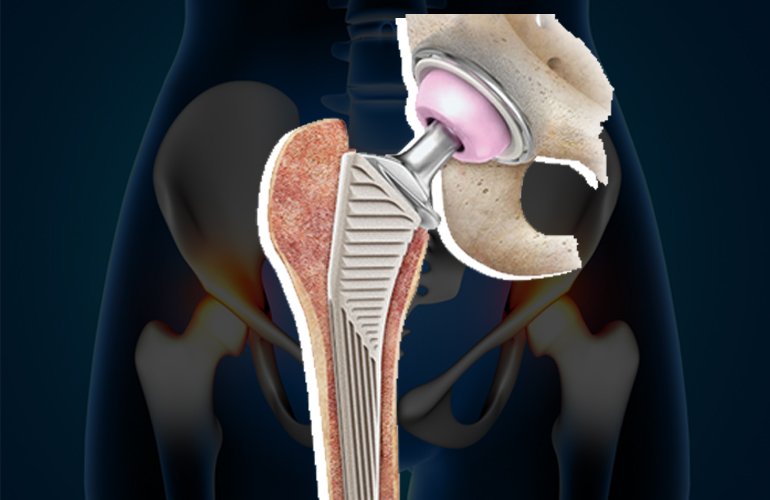
Revision Total Hip Replacement (Revision THR) is a surgical procedure performed to replace or repair a previously implanted hip replacement that has failed or worn out over time. Unlike the first (primary) hip replacement, revision surgery is more complex and requires specialized expertise.
When is Revision THR Needed?
Revision hip replacement may be required in the following situations:
Loosening of the artificial hip joint
Wear and tear of the implant over time
Infection around the hip joint
Dislocation or instability of the hip
Fracture around the hip implant
Persistent pain or reduced mobility after hip replacement
Causes of Hip Replacement Failure
Some common reasons why a hip replacement may fail include:
Implant wear or breakage
Bone loss around the implant
Infection (early or late)
Poor initial fixation
Trauma or fall
Aging of the implant
Symptoms That May Indicate the Need for Revision THR
Increasing hip or groin pain
Difficulty in walking or standing
Hip joint instability or repeated dislocation
Shortening of the leg
Swelling or signs of infection
Revision THR Procedure
During Revision Total Hip Replacement:
The old or damaged implant is carefully removed
Damaged bone and tissue are cleaned or reconstructed
A new hip implant is placed, often using special revision implants
Bone grafts may be used if there is bone loss
The surgery usually takes longer than a primary hip replacement and requires advanced surgical planning.
Recovery After Revision THR
Hospital stay: 4–7 days (may vary)
Walking with support usually starts within a few days
Physiotherapy is essential for regaining strength and movement
Full recovery may take several months
Benefits of Revision Total Hip Replacement
Relief from chronic hip pain
Improved mobility and stability
Better quality of life
Correction of implant-related problems
Risks and Complications
As Revision THR is a complex surgery, possible risks include:
Infection
Blood clots
Dislocation
Nerve or blood vessel injury
Implant loosening
However, with experienced orthopedic surgeons and proper care, outcomes are generally successful.
Why Choose Us for Revision THR?
Experienced orthopedic and joint replacement specialists
Advanced surgical techniques
Personalized treatment and rehabilitation plans
High standards of safety and patient care
FAQ

What is Revision Total Hip Replacement (Revision THR)?
Revision Total Hip Replacement is a surgical procedure performed to replace or repair an existing artificial hip joint that has failed or worn out over time.
Why is Revision Hip Replacement surgery needed?
Revision hip replacement is needed when the original hip implant fails due to wear and tear, loosening, infection, fracture around the implant, dislocation, or persistent pain.
How long does a hip replacement implant last before revision is required?
Most hip replacement implants last 15 to 20 years, but this can vary depending on the patient’s age, activity level, weight, and overall health.
Is Revision THR more complicated than primary hip replacement?
Yes, revision hip replacement is generally more complex than the first surgery.
What are the symptoms that indicate the need for Revision THR?
Common symptoms include persistent hip pain, difficulty walking, instability of the hip joint, repeated dislocations, swelling, or reduced range of motion.